
Gut Health Coach
Take Back Your Life
As your Health coach, I help you find relief from GI discomfort, build confidence, and create lasting transformation.
Mission
Our Purpose
To help people overcome digestive discomfort, bloating, abdominal pain, bathroom urgency, and irregular bowel habits so they can regain confidence, freedom, and enjoy life without constantly worrying about the nearest restroom.
• Provide a clear, step-by-step system to improve digestive wellness and daily comfort.
• Help individuals identify and address nutrition and lifestyle factors that may contribute to digestive distress.
• Empower people with practical tools to reduce bloating, abdominal discomfort, bathroom urgency, as well as irregular bowel habits.
• Restore confidence, reduce stress related to digestive challenges, and help people fully participate in work, travel, social events, and family activities.
• Create a supportive community where individuals can learn, grow, and achieve lasting digestive wellness.
Mission
Our Purpose
To help people overcome digestive discomfort, bloating, abdominal pain, bathroom urgency, and irregular bowel habits so they can regain confidence, freedom, and enjoy life without constantly worrying about the nearest restroom.
• Provide a clear, step-by-step system to improve digestive wellness and daily comfort.
• Help individuals identify and address nutrition and lifestyle factors that may contribute to digestive distress.
• Empower people with practical tools to reduce bloating, abdominal discomfort, bathroom urgency, as well as irregular bowel habits.
• Restore confidence, reduce stress related to digestive challenges, and help people fully participate in work, travel, social events, and family activities.
• Create a supportive community where individuals can learn, grow, and achieve lasting digestive wellness.
Services
Our Services
Many
Lives Transformed
15
Years of Experience
100%
Client Satisfaction
Process
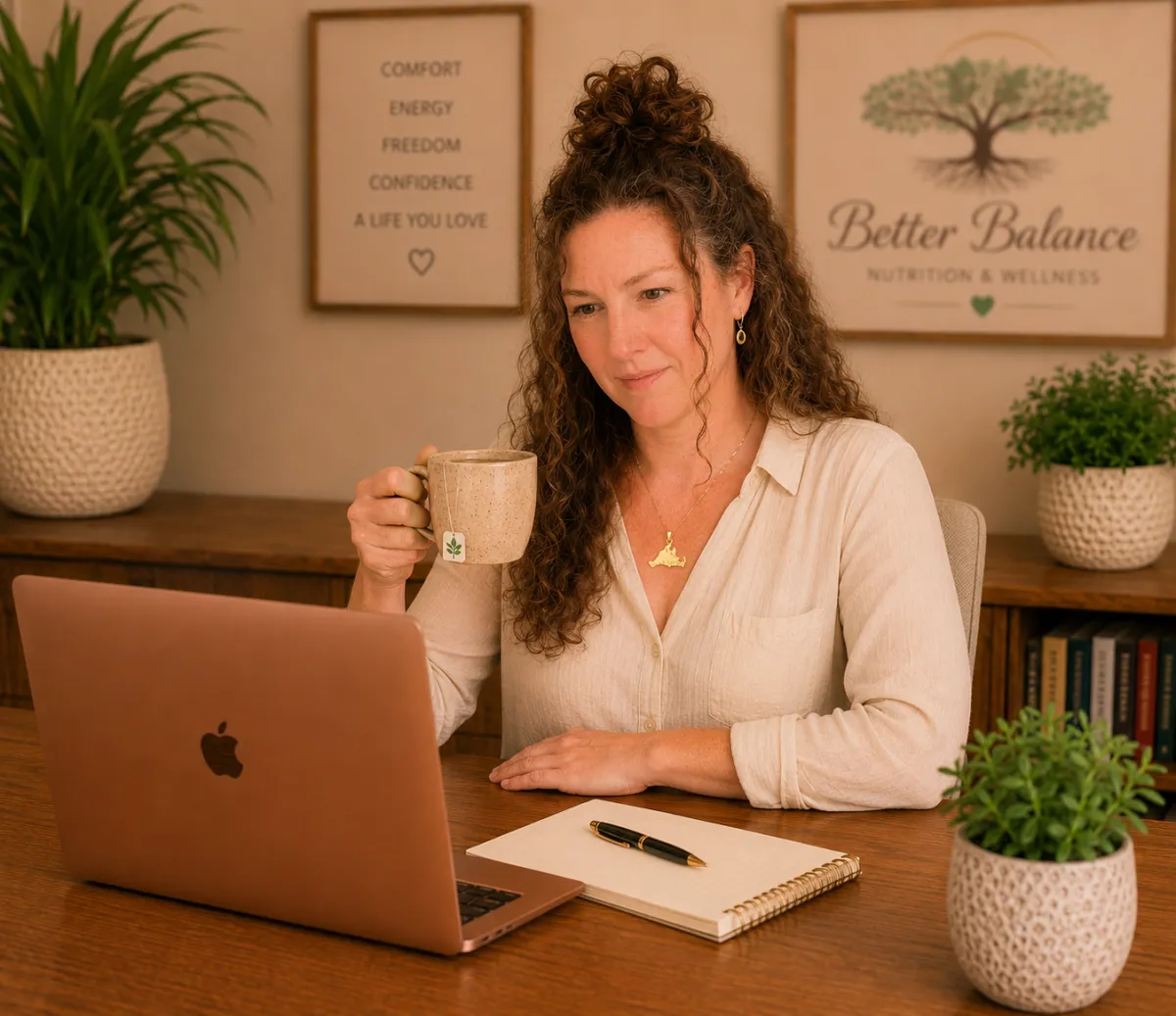
Our Coaching Process
1 - Book Your Free Discovery Call
We’ll connect to explore your goals and see if we’re the right fit.
2 - Clarity & Roadmap
Together, we will review dietary triggers and create a personalized plan
3 - Weekly Coaching Sessions
We meet regularly to review your progress, use all the tools, and dietary accountability.
4 - Sustainable Transformation
You walk away with clarity, confidence, and lasting dietary shifts.
Process
Our Coaching Process
1 - Book Your Free Discovery Call
We’ll connect to explore your goals and see if we’re the right fit.
2 - Clarity & Roadmap
Together, we will review dietary triggers and create a personalized plan
3 - Weekly Coaching Sessions
We meet regularly to review your progress, use all the tools, and dietary accountability.
4 - Sustainable Transformation
You walk away with clarity, confidence, and lasting dietary shifts.
Trusted by Customers
"Knowledge is power, and I have learned a lot! I no longer feel afraid of the next 'attack' and I'm able to feel more in control. Elizabeth is amazing to work with. You can tell she really cares and is very dedicated to providing solutions. I never thought it possible. Thank to her I feel like I've got my life back. Looking forward to using the tools and advice I've learned during this journey; and confident to know further coaching is always available. So very grateful.
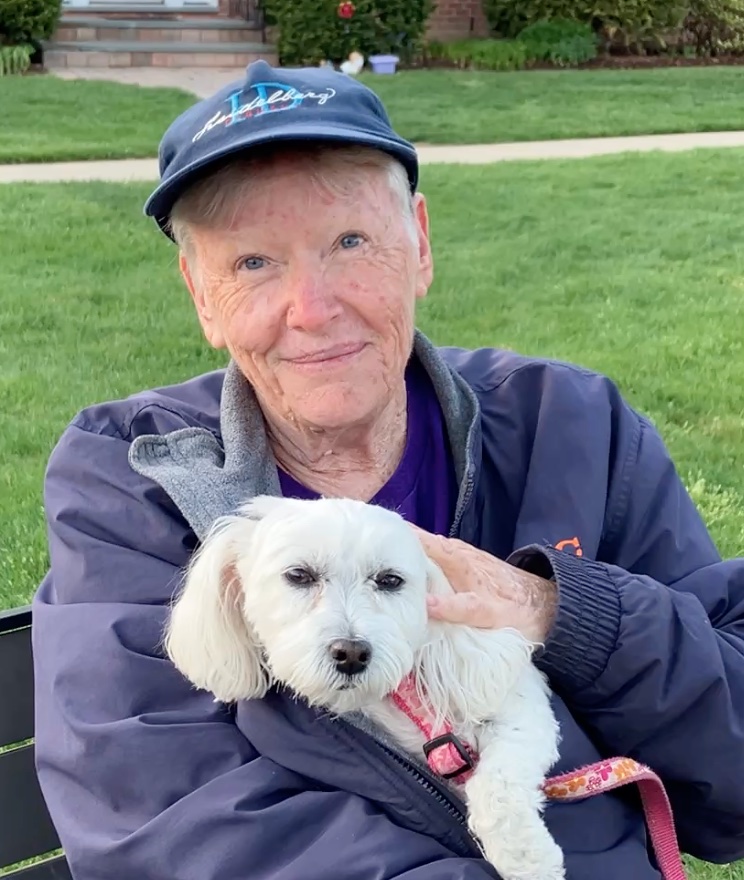
Pat and Merri
"I suffered chronic GERD for 6 years and had difficulty enjoying anything without heartburn for a long time. But the introduction of the FODMAP diet really helped me move past medications and enjoy food again. Elizabeth's plan helped me find and eliminate problem foods giving me a new lease on life! I learned a lot from this experience and I'd recommend for anyone to five it a try it's worth it!"

Gavin
"I used to plan my entire life around my IBS. Every outing came with anxiety, and every meal felt like a gamble. I felt trapped in my own body. Elizabeth gave me the education, support, and tools I needed to take back control. Today, I feel healthier, more confident, and free from the constant fear of bloating, pain, and urgent bathroom trips. I finally feel like myself again. This experience has been one of the best investments I've ever made in my health.."
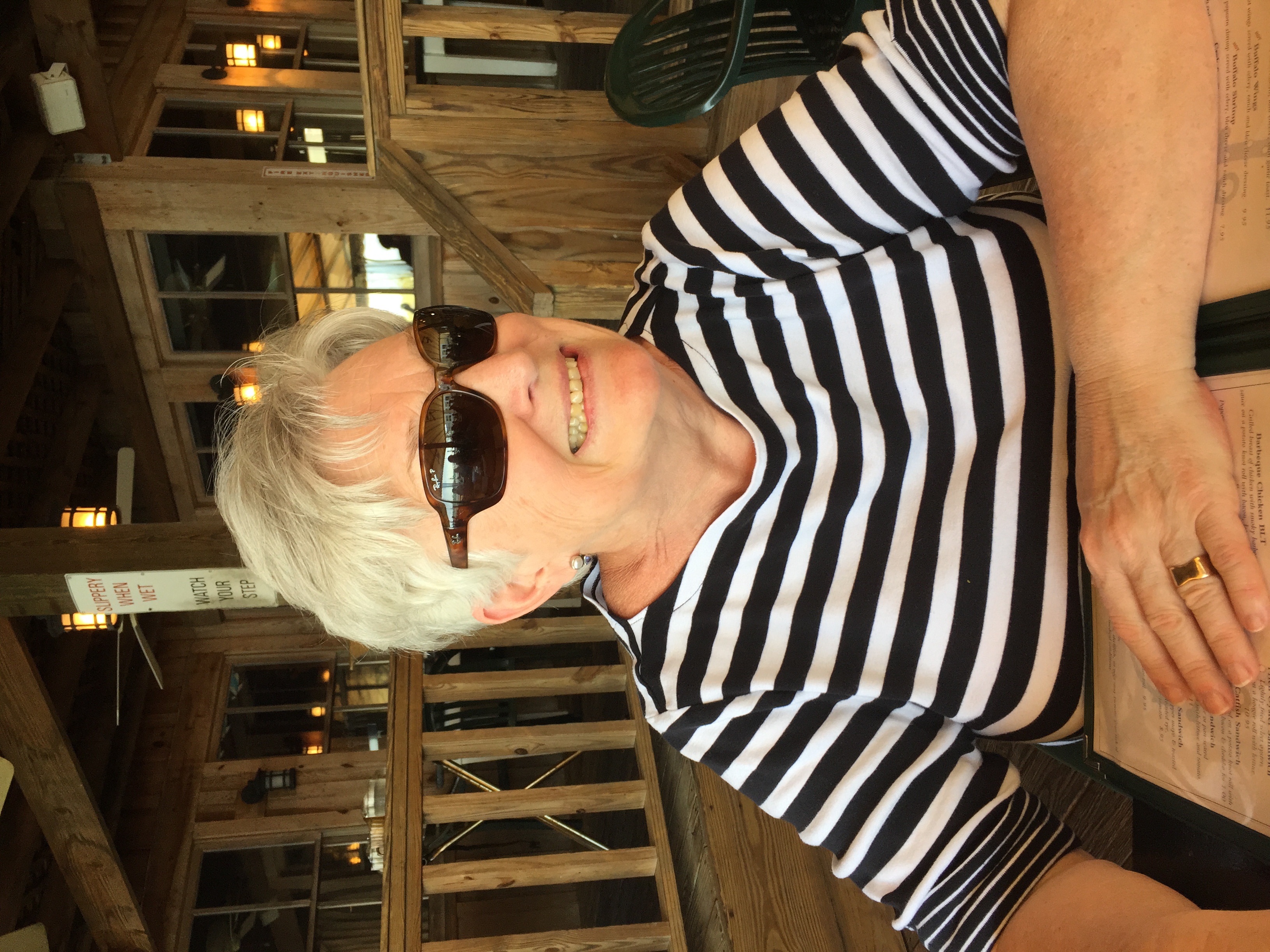
Jacquie
FAQs
Frequently Asked Questions
What services do you offer?
We offer 1:1 coaching, group programs, clarity sessions, and personalized growth plans designed to help you move forward with purpose.
How do I get started?
Start by booking a free discovery call. We’ll explore your goals and see if our coaching is the right fit for you.
Do you offer virtual sessions?
Yes! All coaching sessions are held virtually via Zoom, so you can join from anywhere in the world.
How often do sessions take place?
Most clients meet weekly or bi-weekly, depending on their goals and coaching plan. We’ll decide what cadence works best for you.
How long is each session?
Sessions typically last 50 minutes, allowing time for deep conversation, reflection, and action planning.
Is coaching confidential?
Absolutely. Everything shared during coaching is kept private and confidential in a safe, judgment-free space.
Do you offer payment plans?
Yes — we offer flexible payment options for coaching packages to make support accessible and stress-free.
What’s your cancellation policy?
We ask for 24-hour notice for any rescheduling. Missed or late-cancelled sessions may be charged depending on your plan.
Let's Get You On The Right Path
COMPANY
SUPPORT
LEGAL
FOLLOW US


